Why does floor paint peel, crack, or fade so quickly? Discover the real causes, expert solutions, and how to choose durable floor paint that lasts for years.
You invested time, effort, and money into painting your floor. You imagined a smooth, glossy finish that would elevate your space and withstand daily use.
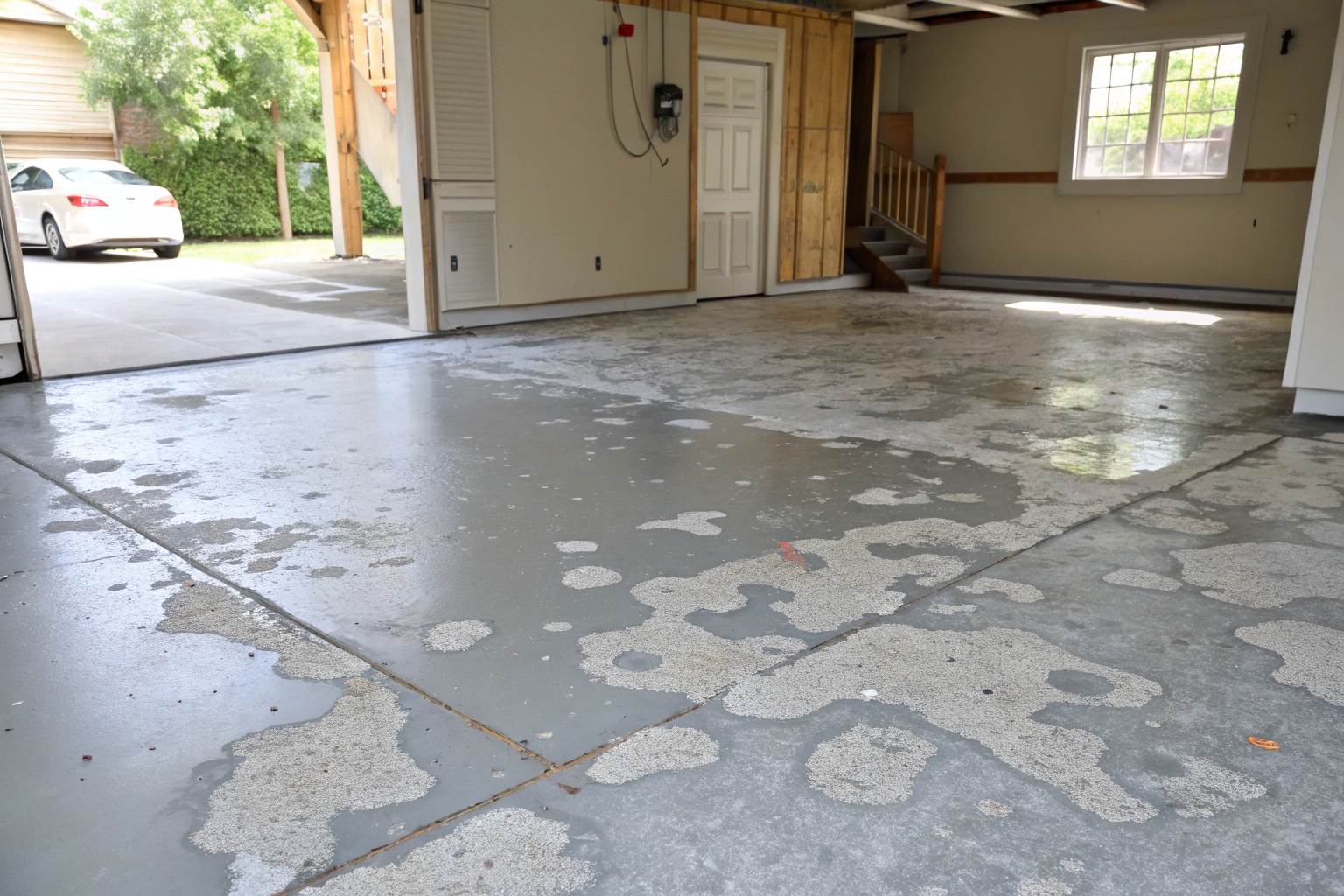
But a few months later, reality hits. The surface starts to peel at the edges. You notice cracks forming under pressure. The once vibrant color begins to fade and lose its appeal.
Now you’re left wondering: “Did I do something wrong?”
The answer is, not necessarily.
Floor paint failure is one of the most common problems homeowners, business owners, and even contractors face. But here’s the truth most people don’t realize:
When floor paint fails, it’s rarely just one mistake, it’s usually a combination of hidden factors working against you.
Let’s break down the real reasons your floor paint isn’t lasting, and how to fix it permanently.
1. The Foundation Problem: Poor Surface Preparation
If there’s one mistake that silently ruins floor paint, it’s this.
Most people underestimate how critical surface preparation is. Painting over a dirty, dusty, or uneven surface is like building a house on weak soil, it simply won’t last.
Even if the floor looks clean, invisible contaminants like:
- Oil stains
- Moisture residue
- Fine dust particles
…can prevent the paint from bonding properly.
What Happens Next?
The paint sits on the surface instead of adhering to it. Over time, foot traffic, pressure, and cleaning cause it to lift, peel, and flake off.
The Fix
- Deep clean the surface with proper cleaning agents
- Remove grease and stains completely
- Allow the floor to dry thoroughly before painting
- For concrete floors, consider light grinding for better adhesion
2. Using the Wrong Floor Paint (A Costly Shortcut)
One of the biggest misconceptions is that any paint can work on floors.
It can’t.
Floors endure:
- Constant foot traffic
- Heavy loads (furniture, equipment)
- Friction and abrasion
- Spills and chemicals
Regular paint or low-grade floor paint simply isn’t built for this.
What Happens Next?
- Paint begins to crack under pressure
- Surface becomes easily scratched
- Color fades quickly due to wear
The Fix
Choose a specialized, high-performance floor paint designed for durability, adhesion, and resistance.
3. Skipping Primer: The Shortcut That Backfires
Primer is often ignored because people want to save time or cost.
But here’s what primer actually does:
- Creates a bonding layer between the floor and paint
- Seals porous surfaces like concrete
- Improves paint durability and finish
What Happens Without Primer?
The paint struggles to stick, leading to:
- Uneven coating
- Early peeling
- Reduced lifespan
The Fix
Always use a compatible primer, especially for:
- Concrete floors
- Previously painted surfaces
- High-traffic areas
4. Moisture: The Silent Enemy of Floor Paint
Moisture is one of the most destructive forces affecting floor paint, and it’s often invisible.
In places like:
- Kitchens
- Bathrooms
- Ground floors
- Poorly ventilated spaces
…moisture can seep into the surface and weaken the paint from underneath.
Signs of Moisture Damage
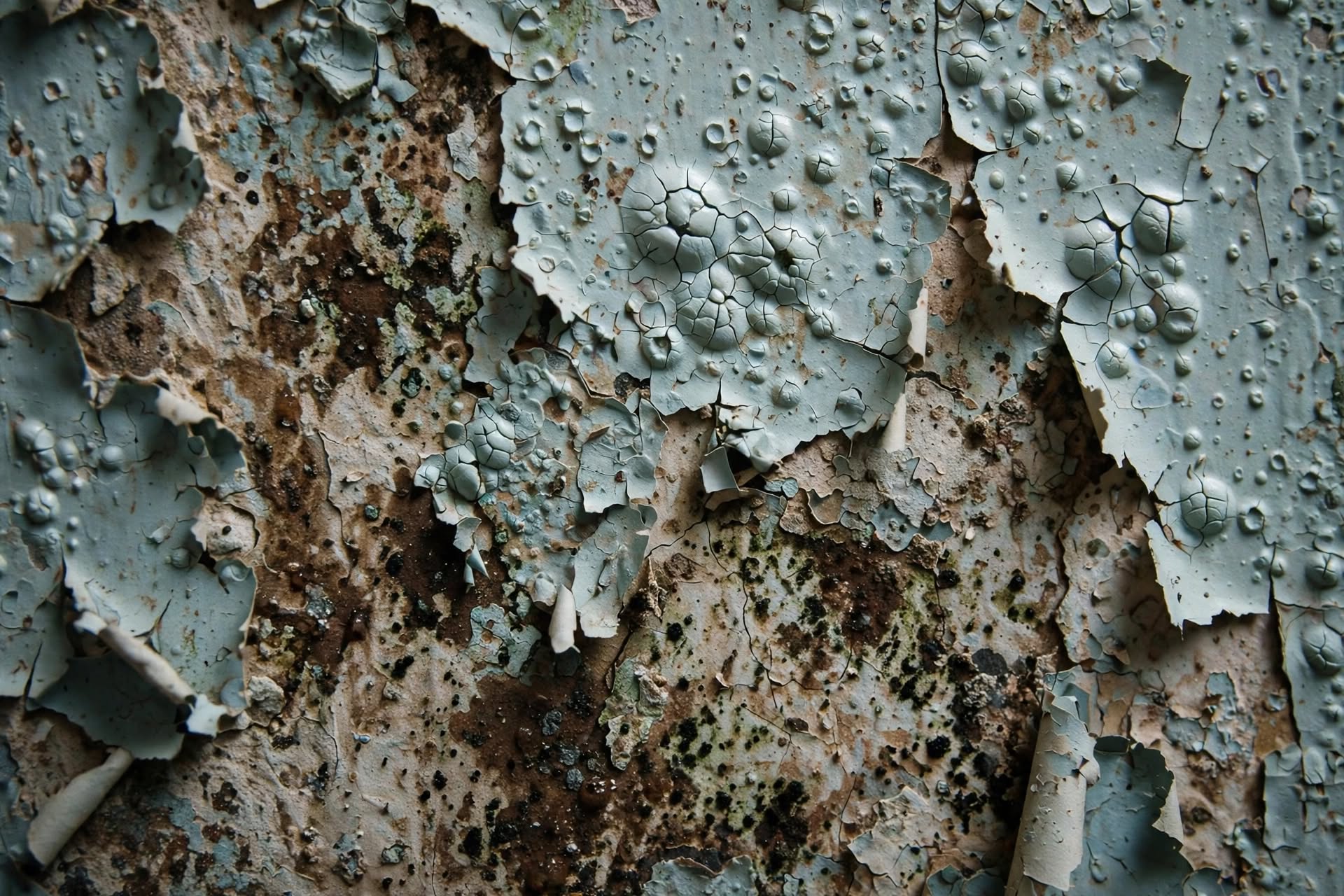
- Bubbling or blistering paint
- Peeling patches
- Discoloration
The Fix
- Ensure proper drainage and ventilation
- Use moisture-resistant floor paint
- Seal the surface before painting
5. Poor Application Techniques
Even with the right paint, how you apply it matters.
Common mistakes include:
- Applying paint too thickly (leads to cracking)
- Applying too thinly (reduces durability)
- Not allowing enough drying time between coats
- Painting in extreme heat or humidity
What Happens Next?
The finish becomes weak, uneven, and prone to early failure.
The Fix
- Apply paint in even, controlled layers
- Follow recommended drying times
- Use proper tools (rollers, brushes, or sprayers)
- Avoid painting under harsh weather conditions
6. Low-Quality Paint: Cheap Now, Expensive Later
This is where many people unknowingly go wrong.
Low-quality floor paints may seem affordable upfront, but they:
- Wear out faster
- Require frequent repainting
- Lack resistance to stains and scratches
The Real Cost
You end up spending more on:
- Repairs
- Repainting
- Maintenance
The Fix
Invest in premium-quality floor paint that offers long-term value instead of short-term savings.
How to Ensure Your Floor Paint Lasts for Years
If you want a floor that maintains its beauty and strength, follow this proven formula:
✔ Proper surface preparation
✔ Use of primer
✔ High-quality floor paint
✔ Correct application techniques
✔ Moisture control
When all these elements come together, your floor doesn’t just look good, it performs under pressure.
Why Nexgen Floor Paint Is Built to Last
If you’re tired of repainting your floors every few months, it’s time to switch to a solution designed for durability.
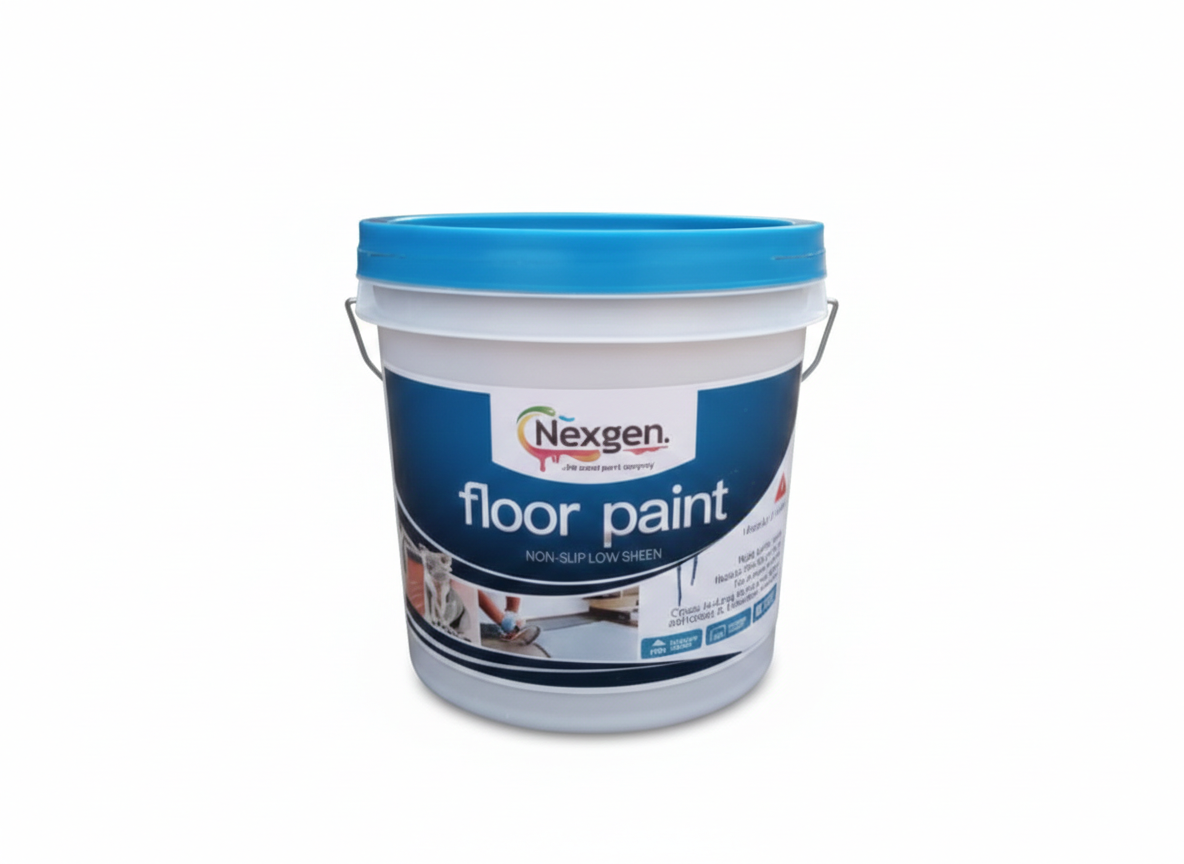
Nexgen Floor Paint is formulated to solve the exact problems that cause paint failure.
What makes it different?
- Strong adhesion that prevents peeling
- High durability for heavy foot traffic
- Resistance to stains, spills, and abrasion
- Long-lasting color retention without fading
Whether it’s for homes, shops, warehouses, or commercial spaces, Nexgen Floor Paint is built to deliver a finish that stays strong, smooth, and visually appealing for years.
Final Thoughts
When your floor paint peels, cracks, or fades too quickly, it’s not just bad luck,it’s a signal that something in the process needs to change.
The good news?
Once you understand the real causes, you can fix them and, more importantly, avoid them completely.
Because at the end of the day, a well-painted floor isn’t just about appearance, it’s about durability, performance, and peace of mind.
Looking to get quality premium floor paint ? visit www.nexgenpaint.com
.webp)